

NEWS DETAIL
How Purity Affects the Performance of Semiconductor Quartz
2026-01-06
What is Semiconductor Quartz and Why is it Used?
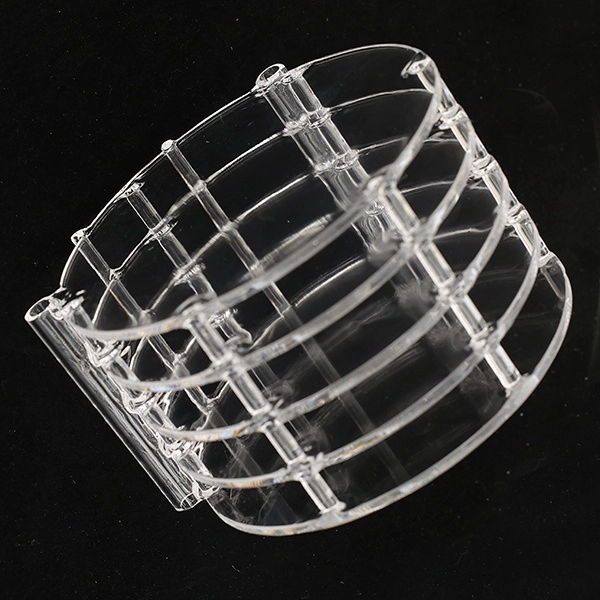
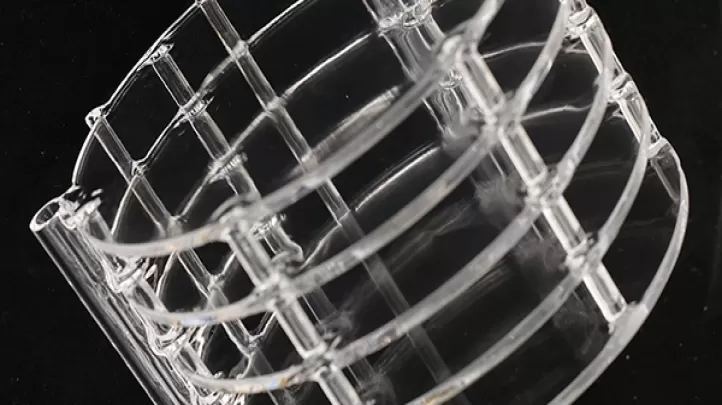
Quartz Baffle Boat
Semiconductor quartz, often called synthetic or high-grade quartz, is a key material in electronic and semiconductor devices. Its unique crystalline structure allows it to convert mechanical vibrations into precise electrical signals, making it essential for components like quartz crystal oscillators, frequency filters, and timing devices.
The demand for stable, accurate, and reliable electronic devices has made semiconductor quartz a cornerstone of modern electronics. Its widespread use in semiconductor applications is largely due to its piezoelectric properties, which ensure consistent signal performance under varying environmental conditions.
What Does Quartz Purity Really Mean?
Quartz purity refers to the level of chemical and structural perfection in a quartz crystal. Impurities—such as aluminum, iron, lithium, or even microscopic inclusions—can alter the crystal lattice, affecting its physical and electrical properties.
In semiconductor applications, even tiny levels of contamination can lead to frequency drift, reduced thermal stability, or signal interference. Therefore, understanding quartz purity levels is critical for engineers and manufacturers when selecting materials for high-performance semiconductor devices.
How Do Impurities Affect Quartz Performance?
Impurities in quartz crystals can directly impact both electrical and thermal characteristics.
For instance:
Electrical Impact: Contaminants can cause irregularities in the piezoelectric effect, leading to unstable oscillation frequencies or unwanted noise in circuits.
Thermal Impact: Certain metal ions or inclusions can alter the thermal expansion rate of quartz, reducing its resistance to temperature fluctuations and potentially compromising semiconductor reliability.
Signal Quality: Even minimal impurities can degrade signal consistency, which is especially critical in precision timing devices or communication systems.
In short, the higher the purity, the more stable and reliable the quartz performance.
Does High Purity Quartz Perform Better than Standard Quartz?
High purity quartz is specifically engineered to minimize defects and impurities. Compared to standard or natural quartz, high purity quartz demonstrates:
• Superior frequency stability
• Enhanced thermal resistance
• Lower signal loss and noise
• Longer operational lifespan in semiconductor devices
These advantages make high purity quartz indispensable in applications where precision and reliability are paramount, such as oscillators in microprocessors, RF filters, and high-frequency semiconductor devices.
How is Quartz Purity Measured and Controlled?
Ensuring the right level of purity involves both measurement and control techniques:
Chemical Analysis: Advanced spectroscopy methods detect trace metal ions and contaminants.
Structural Inspection: High-resolution microscopy reveals lattice defects and inclusions.
Controlled Manufacturing: Processes like hydrothermal growth and repeated purification cycles produce crystals with minimal impurities.
Quality Assurance: Regular testing ensures that only quartz meeting strict purity standards enters semiconductor applications.
By carefully controlling purity, manufacturers can guarantee consistent performance and reliability in critical electronic components.