

NEWS DETAIL
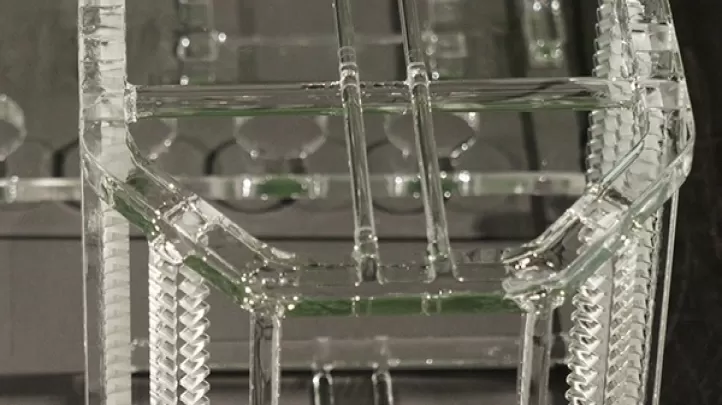
Select the Right Quartz Boat for Your Semiconductor Process
2026-03-26
Introduction
Quartz boats are essential components in semiconductor fabrication, serving as carriers for wafers during high-temperature processes such as chemical vapor deposition (CVD), atomic layer deposition (ALD), and epitaxy. Selecting the right quartz boat is critical not only for protecting wafer integrity but also for ensuring uniform temperature distribution, minimizing contamination, and maintaining high yield. Improper selection can lead to wafer breakage, process inconsistency, and contamination, directly affecting manufacturing efficiency and costs. This guide provides a detailed framework to help engineers and procurement teams choose the most suitable quartz boat for their semiconductor processes.
1. Quartz Boat Basics
A quartz boat is typically made from high-purity fused silica, chosen for its excellent thermal stability, chemical inertness, and low particle generation. Quartz boats come in various shapes and sizes to accommodate different wafer diameters and numbers. Understanding the basic properties and functions of quartz boats is the foundation for proper selection:
2. Key Parameters to Consider
Selecting a quartz boat requires careful consideration of several technical parameters:
3. Process-Specific Requirements
Different semiconductor processes impose unique demands on quartz boats:
CVD Processes
Require excellent thermal uniformity and chemical resistance. Any surface contamination or non-uniform heating can compromise thin-film deposition quality.
ALD Processes
Smaller-volume reactions demand precise gas flow distribution. Boats must allow for uniform precursor exposure to each wafer.
Epitaxy Processes
Extremely sensitive to thermal gradients; even minor temperature inconsistencies can affect crystal growth quality. Boats should ensure minimal wafer deformation and consistent temperature profiles.
4. Material and Fabrication Considerations
The choice of material and fabrication quality directly impacts process performance:
5. Common Pitfalls and Best Practices
Even experienced teams may make mistakes when selecting or using quartz boats:
| Common Pitfall | Consequence |
|---|---|
| Overloading or Incorrect Layering | Leads to wafer breakage and thermal stress. |
| Material Mismatch | Using standard quartz in high-purity processes increases contamination risk. |
| Neglecting Maintenance | Failure to clean or replace boats according to schedule can reduce yield and process reliability. |
Best Practices
- Match boat dimensions precisely to wafer size and process capacity.
- Verify material compatibility with process gases and temperatures.
- Confirm equipment compatibility with boat design to ensure seamless integration.
- Establish a maintenance and replacement schedule to prevent performance degradation.
6. Expert Selection Recommendations
- Conduct a detailed process review to determine thermal, chemical, and mechanical requirements.
- Prioritize high-purity, thermally stable quartz with precise fabrication standards.
- Use multi-layer or customized boat designs for high-throughput applications while maintaining thermal uniformity.
- Consult with equipment vendors for compatibility, especially when implementing new semiconductor processes.
Conclusion
Proper selection of a quartz boat is a critical step in semiconductor manufacturing that directly influences wafer yield, process stability, and contamination control. By evaluating material quality, boat dimensions, process compatibility, and maintenance practices, manufacturers can maximize efficiency and reduce operational risks. Investing in high-quality quartz boats and adhering to best practices ensures long-term reliability and supports cutting-edge semiconductor production.
FAQs